
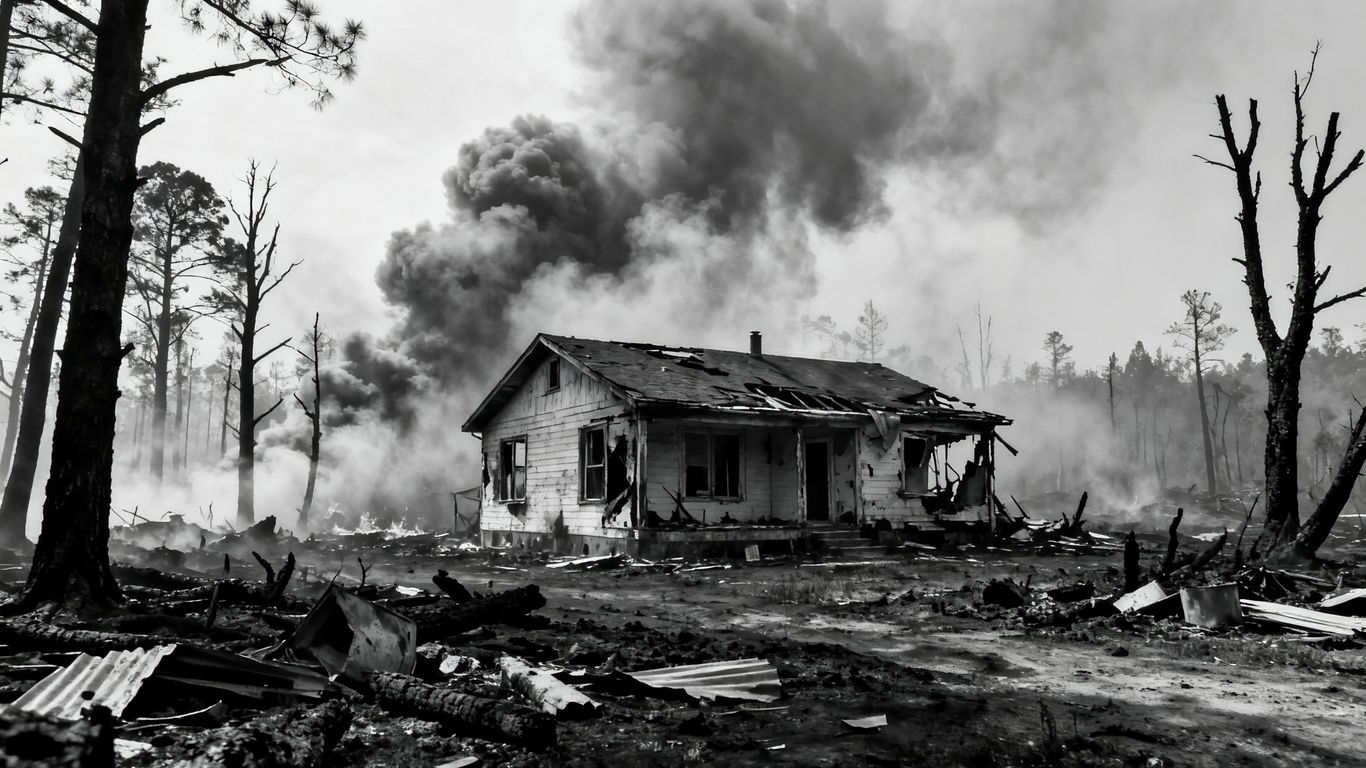
Losing property to a wildfire is a deeply unsettling experience. In the aftermath, understanding your legal standing is a vital step toward recovery. While each situation is unique, several core rights generally apply to those affected by wildfire damage.
Your Right to Compensation for Property Damage
If your home, business, or other property has been damaged or destroyed by a wildfire, you are likely entitled to seek compensation. This compensation can come from multiple sources:
- Your Homeowners Insurance: Your insurance policy is a contract. The insurer has a legal duty to cover losses as outlined in your policy. This typically includes costs for repairing or rebuilding your dwelling, damage to other structures like sheds or fences, replacement of personal belongings, and additional living expenses if you’re displaced.
- Potentially Liable Third Parties: In many cases, wildfires are not purely natural events. If a wildfire was caused by the negligence or actions of another party, you may have grounds to seek compensation from them. This could include utility companies whose equipment may have sparked the fire, government entities whose actions or inactions contributed to the spread, or even individuals or businesses whose negligence played a role. Understanding how utility companies can be held responsible is a key aspect of this.
Your Right to a Fair Insurance Claims Process
After a loss, you have the right to a fair and timely claims process from your insurance company. Insurers are expected to act in good faith. However, common issues can arise, such as:
- Delays in processing your claim.
- Disputes over the value of your losses or repair costs.
- Denials of coverage based on policy exclusions or other interpretations.
- Offers to settle for less than the full amount you are owed.
If you encounter these obstacles, you have the right to dispute the insurer’s decision and seek further recourse. Documenting every interaction and detail is important throughout this process.
Your Right to Legal Representation
Navigating the legal and insurance landscape after a wildfire can be complex and overwhelming. You have the right to seek legal counsel to assist you. An attorney can help by:
- Explaining your rights and legal options clearly.
- Gathering and preserving essential evidence to support your claim.
- Communicating and negotiating with insurance companies on your behalf.
- Initiating legal action if a fair settlement cannot be reached.
Having legal representation can significantly improve your ability to recover the full compensation you deserve. Taking the right steps early on, such as documenting all losses, is crucial for a successful outcome.
Identifying Potentially Liable Parties
When a wildfire devastates your property, it’s natural to focus on rebuilding. However, understanding who might be responsible for the fire is a critical step in seeking full compensation. It’s not always just an act of nature; sometimes, human error or negligence plays a significant role. Identifying these parties is key to pursuing legal action beyond your insurance claim. Several entities could potentially be held accountable for wildfire damages.
Utility Companies and Their Responsibilities
Utility companies, particularly those managing power lines, have a significant duty to maintain their infrastructure. Aging equipment, improper maintenance, or failure to clear vegetation around power lines can all create fire hazards. When these failures lead to a wildfire, the utility company may be found liable for the resulting destruction. This is especially true if they were aware of risks and did not take adequate preventative measures. For instance, downed power lines are a common ignition source in dry, windy conditions. Holding these companies accountable is often a primary goal for those affected by utility-caused fires, and they may face substantial settlements for damages.
Government Entities and Negligence
Government agencies, at local, state, or federal levels, can also bear responsibility in certain wildfire situations. This might involve negligence in land management, such as failing to conduct necessary controlled burns, maintain firebreaks, or adequately staff firefighting resources during high-risk periods. While suing a government entity can be complex due to sovereign immunity laws, there are specific circumstances where claims are permissible. These often involve a failure to act when there was a clear duty to do so, and that inaction directly contributed to the fire’s spread and destruction.
Negligent Individuals and Businesses
Beyond large corporations and government bodies, individual actions or business practices can also spark devastating wildfires. This could include:
- Improper disposal of smoking materials in dry areas.
- Uncontrolled debris burning that escapes a property.
- Equipment malfunctions or sparks from construction or industrial activities.
- Failure to adhere to local fire safety ordinances.
While these might seem like isolated incidents, if negligence can be proven, the responsible individual or business can be held liable for the extensive losses incurred by victims. Pursuing a claim against such parties is part of the broader effort to ensure accountability for wildfire losses.
Navigating the Insurance Claims Process
After a wildfire, dealing with your insurance company is a major step in recovering from property loss. It’s not always as simple as it sounds, and many people run into problems. The goal is to get a fair settlement that covers all your damages.
Understanding Your Homeowners Insurance Coverage
Your homeowners insurance policy is the first place to look. It outlines what is covered and what isn’t. It’s important to read through your policy carefully, or have someone help you understand it. Key things to check for include:
- Dwelling coverage: This usually covers the structure of your home.
- Other structures: This might cover detached garages, fences, or sheds.
- Personal property: This covers your belongings inside the home.
- Loss of use: This covers additional living expenses if you can’t live in your home.
Common Obstacles with Insurers
Insurance companies are businesses, and sometimes their interests don’t align with yours. You might face several common issues:
- Delays: Claims can take a long time to process, leaving you waiting for funds.
- Lowball offers: The initial offer from the insurer might be much less than what it will actually cost to rebuild or replace your belongings.
- Claim denials: Your claim might be denied for reasons you don’t understand or agree with, such as disputed policy exclusions.
- Communication problems: Insurers may not keep you informed about your claim’s status.
It’s important to document every interaction you have with your insurance company. Keep records of phone calls, emails, and letters. This documentation can be very helpful if disputes arise. If you’re having trouble, contacting a public adjuster before speaking extensively with your insurance company can be beneficial [d153].
Disputing Denied or Underpaid Claims
If your insurance claim is denied or the settlement offer is too low, you have rights. You can dispute the insurer’s decision. This often involves providing more evidence to support your claim, such as detailed repair estimates or proof of the value of lost items. If you can’t reach an agreement, you may need to consider legal action. You have the right to appeal an insurance company’s decision. Sometimes, insurers might act in bad faith, meaning they don’t handle your claim fairly. Proving bad faith can be complex and often requires legal assistance. It’s wise to notify your insurer as soon as possible after the loss [ba10].
The Wildfire Lawsuit Process
When a wildfire causes significant property loss, filing a lawsuit can be a necessary step to seek compensation beyond what insurance might cover. This process is designed to hold accountable those whose negligence may have contributed to the fire. It’s a structured approach that requires careful attention to detail and often the guidance of legal professionals.
Investigation and Cause Analysis
The first phase involves a thorough investigation to pinpoint the exact cause of the wildfire. This isn’t just about identifying the ignition source; it’s about understanding the circumstances that allowed it to spread and cause damage. Legal teams will examine official fire reports, gather witness accounts, and consult with forensic experts. The goal is to establish a clear link between a specific party’s actions or inactions and the resulting destruction. This step is critical for building a strong case and identifying all potentially liable parties, whether they are utility companies, government agencies, or other entities. Understanding the origin is key to pursuing justice for those affected by wildfire damage [8e83].
Documentation of Losses
Once the cause is investigated, the focus shifts to meticulously documenting all losses incurred. This goes beyond just the physical structure of a home or business. It includes:
- Property Damage: Detailed records of the extent of damage to buildings, landscaping, and any other structures on the property.
- Financial Hardship: Evidence of lost income, business interruption, and costs associated with temporary relocation, such as hotel stays and meals.
- Personal Property: Inventories of destroyed or damaged personal belongings, including furniture, electronics, and sentimental items.
- Health Impacts: Medical records related to injuries sustained from the fire or smoke inhalation, as well as documentation of emotional distress.
This comprehensive documentation is vital for demonstrating the full scope of the impact and forms the basis for the compensation sought.
Negotiation, Settlement, and Litigation
Many wildfire lawsuits aim for a resolution through negotiation and settlement. Attorneys will engage with the responsible parties or their insurance providers to reach a fair compensation agreement. This often involves presenting the documented evidence of losses and arguing for accountability. However, if a satisfactory settlement cannot be reached, the case may proceed to litigation. This means taking the matter to court, where a judge or jury will decide the outcome. The legal team will present the case, including expert testimony and evidence, to argue for the compensation deserved by the victims [0348].
Damages Recoverable in Wildfire Lawsuits
When a wildfire devastates property, the financial fallout can be immense. Fortunately, wildfire lawsuits aim to recover compensation for a wide range of losses. The goal is to make victims whole again, covering not just the obvious destruction but also the less visible, yet significant, impacts. Understanding what types of damages can be claimed is a key step in the recovery process.
Property Repair or Replacement Costs
This is often the most significant component of a claim. It includes the cost to repair your home if it was partially damaged or the full cost to rebuild if it was destroyed. This also extends to other structures on your property, like garages, sheds, or fences. The calculation typically involves assessing the current market value of the property or the estimated cost of rebuilding according to current building codes and standards. For those who lost everything, this compensation is vital for rebuilding their lives from the ground up. Many wildfire victims have received substantial settlements from utility companies, with some settlements exceeding $13 billion [8785].
Temporary Housing and Living Expenses
When a home is uninhabitable due to a wildfire, victims incur costs for temporary shelter. This can include hotel stays, rental properties, and related expenses like increased utility bills or storage unit fees. Compensation for these additional living expenses (ALE) is crucial for maintaining a semblance of normalcy during the rebuilding phase. This coverage helps ensure that displaced families have a safe place to stay while their homes are repaired or rebuilt.
Lost Wages and Business Interruption
Wildfires don’t just destroy homes; they can cripple businesses and disrupt livelihoods. If you or your employees were unable to work due to the fire, evacuation orders, or damage to your place of business, you may be able to recover lost wages. For business owners, compensation can cover lost profits, inventory damage, and other costs associated with business interruption. This helps businesses recover and continue to operate after a disaster.
Emotional Pain and Suffering
Beyond the tangible financial losses, wildfires inflict significant emotional and psychological trauma. Victims may experience anxiety, depression, PTSD, and other mental health challenges as a result of the trauma, loss, and uncertainty. While difficult to quantify, compensation for emotional pain and suffering acknowledges the profound psychological impact of such events. Attorneys work to demonstrate this suffering through medical records, therapy notes, and witness testimony to secure fair compensation for these non-economic damages. Proving negligence or misconduct that led to the fire is key to securing these damages [2bd0].
Key California Laws Affecting Your Claim
California Fair Claims Settlement Practices Regulations
When dealing with insurance companies after a wildfire, it’s important to know that California has specific rules in place to ensure fair treatment. The California Fair Claims Settlement Practices Regulations are designed to make sure insurers handle claims promptly and honestly. This means they can’t just ignore your claim or offer you a ridiculously low amount without good reason. They have to communicate with you, explain their decisions, and process your claim in a timely manner. If an insurance company fails to follow these regulations, it could be considered acting in bad faith. Understanding these rules can help you recognize unfair practices and know when to push back.
Civil Code Sections for Compensation
Beyond insurance regulations, California law provides broader avenues for compensation. Specifically, California Civil Code Sections 3281 and 3333 are significant. Section 3281 generally states that everyone who suffers loss or harm due to the wrongful act or negligence of another can recover damages. Section 3333 further clarifies that for every wrong, the amount of damages awarded should be the amount which will compensate for all the detriment proximately caused by the wrongdoer. In simpler terms, if someone’s actions (or inaction) caused your property damage from a wildfire, you have a legal right to be made whole for your losses. This can include not just the cost to repair or rebuild, but also other related expenses. This legal framework is what allows individuals to seek compensation beyond what their insurance might cover, especially when a third party is at fault. You can explore how utility failures spark wildfire lawsuits to understand potential liability in these situations. Utility company liability is a key area where these civil codes come into play.
Inverse Condemnation for Utility-Caused Fires
In certain situations, particularly when a wildfire is caused by the equipment or negligence of a public utility, the legal concept of inverse condemnation may apply. This is a complex area of law that essentially means a government entity or public utility has taken or damaged private property for public use without proper compensation. If a utility’s actions or faulty equipment led to a wildfire that destroyed your property, inverse condemnation might be a basis for your claim, even if traditional negligence standards are difficult to prove. This doctrine can hold utilities accountable for damages caused by their infrastructure, even if they didn’t act with intent to harm. It’s a powerful tool for property owners seeking recourse when utility operations result in devastating losses. Navigating these specific legal avenues often requires experienced legal counsel to properly assess and pursue such claims.
More Information
- Ready for the Future
- NFPA
- Robins Cloud Law
- Foley and Bezek Law
- Firehelpcenter.com
- National Fire Service
- Readyforwildfire.org
- Insurance Journal
- Matthews and Associates
- Firelitigation.org
