
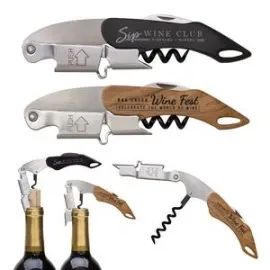
Promotional products help businesses strengthen brand visibility by combining practical value with memorable branding. Well-selected gifts can keep a company visible while creating positive associations with customers, employees, and business partners. The effectiveness of a promotional item depends on its usefulness, quality, design, and relevance to the intended audience. A practical item such as a custom wine corkscrew can become a useful everyday accessory while carrying a company’s branding. Thoughtful promotional products can therefore support marketing objectives without feeling overly commercial.
Businesses can choose from a wide range of branded merchandise depending on their audience, campaign objectives, and budget. Useful products are often more likely to be retained and used regularly, increasing opportunities for repeated brand exposure. From corporate gifts to event giveaways, promotional merchandise can support customer engagement while reinforcing brand identity. Selecting products that combine functionality, attractive presentation, and durable branding can make promotional campaigns more meaningful and effective.
Practical Promotional Gifts Supporting Brand Visibility
Useful promotional products combine everyday functionality with consistent brand exposure. Selecting suitable items requires attention to audience preferences, product quality, and campaign objectives.
1. Functional Value Encouraging Regular Use
Practical products are more likely to remain useful after events or campaigns. Items used regularly create repeated brand exposure while increasing perceived value. Businesses should select merchandise that offers genuine utility and remains durable over time.
2. Design Supporting Strong Brand Recognition
Effective design combines logos, colors, typography, and finishes to create recognizable promotional merchandise. Consistent visual elements help recipients associate products with the brand while maintaining a polished appearance across different campaigns and customer interactions.
3. Quality Improving Perceived Brand Value
Product quality influences how recipients perceive a business. Durable, well-finished merchandise can create positive associations and encourage continued use. Businesses should consider materials, functionality, and finishing quality before selecting promotional items for campaigns.
4. Audience Relevance Strengthening Engagement
Promotional products work better when they match recipient interests, lifestyles, and needs. Understanding the target audience helps businesses choose useful merchandise that feels relevant rather than generic, encouraging stronger engagement and longer-term brand visibility.
Branded Accessories Supporting Promotional Campaigns
Promotional accessories combine practical use with brand communication, making them suitable for corporate gifting, events, hospitality campaigns, and customer engagement initiatives.
1. Versatile Products for Corporate Gifting
Corporate gifts should combine practical value with professional presentation. Carefully selected accessories can be given to clients, employees, partners, or event attendees, helping businesses create positive impressions while maintaining consistent brand visibility through useful merchandise.
2. Customization Supporting Personal Brand Identity
Customization allows businesses to incorporate logos, colors, messages, and finishing options into promotional merchandise. A custom corkscrew bottle opener can provide practical value while displaying brand elements clearly without compromising usability or overall product appearance.
3. Packaging Enhancing Promotional Presentation
Attractive packaging can increase the perceived value of promotional merchandise. Coordinating packaging with brand colors, campaign themes, and event requirements creates a more professional presentation while providing another opportunity to reinforce brand identity.
4. Consistency Across Marketing Materials
Promotional merchandise should align with websites, advertising, social media, and other brand materials. Consistent logos, colors, typography, and messaging create a unified identity, making businesses easier for customers to recognize across different marketing touchpoints.
Promotional Merchandise Supporting Long-Term Brand Awareness
Effective promotional merchandise combines functionality, quality, relevance, and consistent branding to create lasting value. Businesses that select products based on audience needs can increase visibility while creating more meaningful customer interactions.
● Practical Value: Useful products encourage recipients to retain and regularly use branded merchandise.
● Brand Recognition: Consistent logos and visual elements strengthen familiarity across customer touchpoints.
● Audience Relevance: Products aligned with recipient interests create stronger engagement and positive associations.
● Quality Perception: Durable merchandise signals greater attention to detail and supports a professional brand impression.
Conclusion
Promotional products can support brand awareness by combining practical functionality with memorable brand communication. Businesses can achieve stronger results by considering product usefulness, audience relevance, quality, customization, presentation, and campaign objectives before making their selections.
For organizations seeking professionally designed promotional merchandise, printed promotional products offer flexible ways to communicate brand identity across corporate events, customer campaigns, and gifting initiatives. BRAVA Marketing Promotions offers promotional merchandise solutions designed to support different branding and marketing requirements. Their product selection and customization options can help businesses create branded items that combine practical value with consistent visual identity, supporting stronger brand recognition and meaningful customer engagement.
