
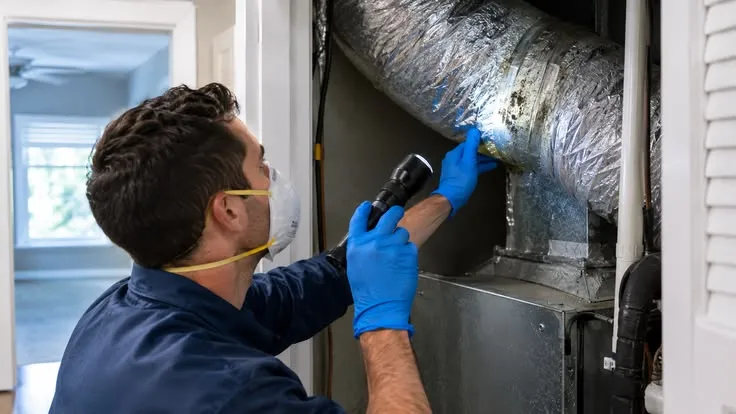
Air conditioning is important for keeping Los Angeles apartments comfortable during warmer months. However, cooling systems can sometimes develop moisture problems that remain unnoticed until stains, odors, or damaged materials appear. Condensation around equipment, blocked drainage lines, and poorly maintained components may create conditions where mold can develop.
Tenants experiencing persistent dampness near their cooling systems may consult mold attorneys los angeles when property management fails to investigate potentially serious conditions. Understanding how HVAC-related moisture develops can help residents recognize warning signs and request appropriate repairs before problems worsen.
How Air Conditioning Can Create Moisture Problems
Air conditioners remove moisture from indoor air as part of the cooling process. This moisture normally collects and drains through components designed for that purpose. Problems can occur when drainage lines become obstructed, collection pans leak, or insulation around cold surfaces becomes damaged. Condensation may then reach surrounding walls, ceilings, or flooring.
However, finding moisture near an air conditioner does not automatically establish a mold problem. A qualified technician may need to determine whether the source involves condensation, plumbing, ventilation, or another building condition.
Recognizing Problems Beyond the Cooling Unit
HVAC-related moisture does not always remain visible near the equipment. Water may travel through concealed spaces before appearing elsewhere in an apartment. Renters should pay attention to recurring stains, damp materials, musty odors, and unusual condensation around vents or nearby surfaces.
A persistent smell deserves attention even when no visible mold is present. However, an odor alone cannot establish the extent of contamination or identify a particular mold species. Tenants should report recurring conditions rather than repeatedly cleaning the same surface without determining why moisture continues to appear.
What to Ask About HVAC Inspections
When a cooling system appears to be contributing to dampness, tenants can request a professional investigation through property management.
Useful questions include:
-
Is the condensate drain functioning correctly?
-
Are collection pans damaged or overflowing?
-
Is insulation around cold components intact?
-
Have surrounding building materials become wet?
-
Are ventilation or airflow problems contributing to moisture?
-
What repairs will prevent the condition from recurring?
These questions help focus the inspection on identifying the moisture source rather than simply treating visible staining.
Tenants should not open electrical or mechanical components themselves because doing so may create safety risks.
Understanding Landlord Maintenance Responsibilities
California landlords generally must maintain rental housing in a condition fit for human occupancy. Qualifying dampness or mold conditions may raise habitability concerns when they affect occupants’ health or safety. The applicable duties depend on the condition, its cause, relevant notice, and other circumstances.
A landlord is not automatically liable whenever condensation appears. However, persistent moisture involving building equipment may require appropriate investigation and corrective action. Tenants should communicate concerns in writing and provide reasonable access for authorized inspections or repairs.
When Moisture Damages Personal Belongings
An air-conditioning leak may affect furniture, carpeting, clothing, or items stored near the affected equipment. The financial consequences can extend beyond repairing the cooling system. A mold property damage attorney can evaluate whether damaged belongings and related expenses may support a legally recognized claim.
The assessment may involve determining the source of moisture, the responsible parties, and whether the claimed losses are sufficiently supported. Not every damaged item automatically qualifies for reimbursement. Legal responsibility and recoverable damages depend on the facts and applicable law.
Why Repairing the Source Matters
Cleaning visible mold without correcting moisture problems can allow contamination to return. A suitable repair may involve clearing drainage lines, replacing damaged components, correcting insulation problems, or removing affected building materials.
The appropriate work depends on professional findings. California public health guidance emphasizes controlling moisture and addressing damp or moldy materials rather than relying solely on surface cleaning. Tenants should request information about completed repairs and report any continuing signs of moisture.
If health symptoms arise, medical professionals should evaluate them independently.
Conclusion
Hidden moisture around air-conditioning systems can create complicated maintenance concerns when water reaches surrounding building materials. Recognizing warning signs and requesting appropriate inspections can help renters address problems before damage spreads.
For Los Angeles tenants seeking information about mold-related housing disputes, mehdlaw.com provides resources concerning toxic mold, habitability, and property damage claims. Understanding the cause of moisture and applicable legal responsibilities can help residents make informed decisions about their living conditions.
