
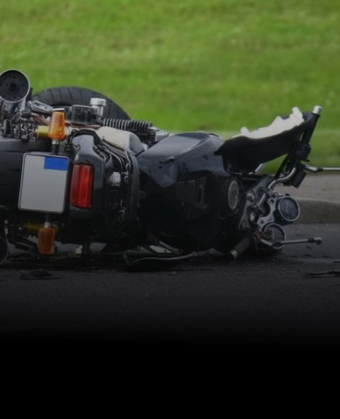
Riding a motorcycle in Calgary and throughout Alberta offers freedom, efficiency, and the thrill of the open road. But with that freedom comes a responsibility to understand and abide by provincial and municipal laws — not just to avoid fines, but to protect your safety and your legal rights if something goes wrong. As personal injury lawyers often see, knowledge of the law before an accident can make a big difference in how claims are handled. This guide breaks down the most important motorcycle laws riders should understand in Calgary and Alberta.
1. Licensing Requirements
Before anything else, you must hold the appropriate licence to operate a motorcycle legally in Alberta. Riders are required to have a Class 6 (motorcycle) driver’s licence — separate from a standard car driver’s licence — which involves passing a written knowledge test, vision test, and a practical road exam. Training through a rider education course is strongly recommended both for safety and to prepare for licensing requirements.
Missing or improper licensing can affect liability and insurance coverage if an accident occurs.
2. Mandatory Helmet Laws
One of the most critical and enforceable laws in Alberta is the helmet requirement:
- All motorcycle riders and passengers must wear helmets that meet acceptable safety standards (e.g., CSA, DOT, ECE, or Snell certifications).
- The only provincial exemption is for riders 18+ who are bona fide members of the Sikh religion wearing a turban.
Failure to comply can result in fines. Helmets must also be in good condition and worn correctly — with the chin strap fastened — to be considered compliant.
Legal Impact:
Not wearing a proper helmet at the time of a crash can increase your risk of injury and may complicate personal injury claims. While it won’t necessarily bar recovery, insurance companies and courts may consider helmet use when assessing fault or damages, particularly if a head injury is involved.
3. Motorcycle Equipment Standards
Motorcycles must meet specific equipment requirements under Alberta law:
- Headlights, taillights, and reflectors must be functional and used when the bike is operating.
- Mirrors: At least one rear-view mirror is required; however, two (left and right) are recommended for safety.
- Other gear: Proper turn signals, brakes, and working exhaust systems are also required.
Non-compliance can lead to roadside inspections, fines, or repair orders. In extreme cases, an unroadworthy motorcycle can be taken off the road until defects are corrected.
4. Rules of the Road
Motorcycle operators must obey the same fundamental traffic laws as all vehicles in Alberta, such as obeying speed limits, signalling, and yielding the right of way. However, there are several specific rules unique to motorcycles:
Lane Use and Formation
- Lane splitting is illegal: Riding between two lanes of moving, slow, or stopped traffic is not permitted in Alberta.
- Staggered riding is allowed when riding with another motorcycle in the same lane — but not side-by-side.
- Using the shoulder or bike lanes for passing is prohibited unless signalled or directed by law enforcement.
Understanding these restrictions is essential not just for avoiding fines, but because violations can be raised in legal defenses or insurance claims if an accident occurs.
5. Passenger and Cargo Regulations
If you carry a passenger or cargo, you must follow special rules:
- Passengers are only allowed on motorcycles designed to carry more than one person — with a designated seat and footrests.
- Passengers under 18 must wear helmets.
- Cargo must be securely fastened and must not impede control of the motorcycle.
Improper passenger seating or carrying loads unsafely can lead to fines and can also factor into liability if an accident occurs.
6. Insurance Requirements
In Alberta, motorcycle insurance is mandatory. At minimum, riders must carry third-party liability coverage — which helps cover damages and injuries caused to others if you’re at fault in a crash.
Tips for Riders:
- Consider additional coverage such as collision, comprehensive, and uninsured motorist protection.
- Understand how your policy treats modifications or high-performance motorcycles — insurance companies may have special premiums or restrictions.
Insurance plays a central role in personal injury claims, and inadequate coverage can leave you personally responsible for large financial losses.
7. Penalties for Traffic and Safety Violations
Fines and penalties for motorcycle violations in Alberta can vary but are often proportional to the risk posed by the offence. Typical examples include:
- Helmet violations
- Speeding, which carries heavier fines when construction or emergency workers are present
- Stunt riding (e.g., wheelies or weaving in traffic)
- Improper lane use or unsafe passenger/cargo seating
Some offences also carry demerit points, which can affect your licence status and insurance premiums.
8. After a Crash: Legal and Insurance Considerations
Despite careful riding, accidents happen — and knowing what to do after a crash can protect your legal rights:
Reporting and Documentation
- Always report serious collisions to police and seek medical care immediately.
- Take photos, gather witness information, and preserve gear (especially helmets) for evidence in insurance or legal proceedings.
Contributory Negligence
In Alberta, personal injury claims are assessed using principles of fault and negligence — not a “no-helmet, no claim” rule. Even if you were partly at fault (e.g., not wearing a helmet), you may still pursue damages, though your compensation could be reduced based on your share of fault.
Consult an Injury Lawyer Early
A personal injury lawyer experienced in motorcycle cases can help:
- Interpret how laws apply to your crash
- Negotiate with insurers
- Assess all sources of compensation, including loss of income, pain and suffering, and future care needs
9. Safety Best Practices Beyond the Law
While legal compliance is compulsory, proactive safety habits help prevent accidents:
Gear Up: High-visibility jackets, quality helmets, eye protection, gloves, and reinforced boots all improve rider safety.
Stay Visible: Avoid blind spots and use your headlights; motorcyclists are less conspicuous than cars.
Ride Defensively: Anticipate hazards and maintain safe following distances.
Conclusion
Understanding motorcycle laws in Alberta — from licensing and safety gear to lane rules and insurance — is crucial for every rider in Calgary. These rules exist to protect you and other road users, but they also form the foundation of your rights and obligations in the event of injury. If you’re involved in a crash, early legal guidance can help secure the compensation and justice you deserve.
