
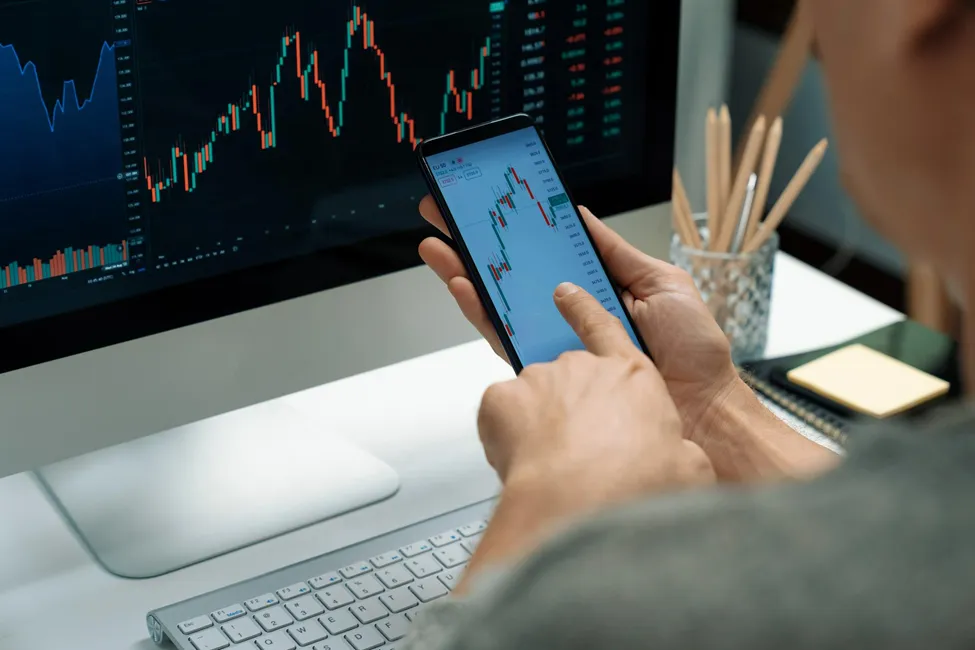
Trading is often described as a game of numbers, charts, and timing, but successful market participation involves much more than watching prices move. Every trade reflects a decision about market conditions, risk, timing, and expected outcomes. Traders who approach the market with a defined strategy are generally better positioned to avoid impulsive choices and manage uncertainty.
The right tools can also make the process more structured. For anyone comparing a trading best platform, the focus should extend beyond attractive features and consider execution, charting capabilities, available instruments, risk-management tools, and overall suitability for their trading approach.
Start With a Clear Trading Objective
Before selecting a strategy, traders should understand what they are trying to achieve. A day trader, swing trader, and longer-term market participant may all analyze the same asset but approach it very differently. Short-term traders typically focus on intraday price movements, technical indicators, liquidity, and execution speed.
Swing traders may hold positions for several days or weeks, giving greater importance to market trends, support and resistance levels, and broader economic conditions. Long-term investors generally place more emphasis on fundamental factors and portfolio allocation. Defining the objective first helps prevent a common mistake: choosing a strategy simply because it appears profitable for someone else.
Build Decisions Around Market Analysis
Strong trading decisions usually combine technical and fundamental analysis rather than relying on a single signal. Technical analysis examines price action and market behavior through tools such as:
● Moving averages
● Relative Strength Index (RSI)
● Bollinger Bands
● Support and resistance
● Trendlines
● Volume analysis
● Candlestick patterns
These tools can help traders identify momentum, potential reversals, volatility, and market structure. However, an indicator should not automatically be treated as a buy or sell instruction. Indicators are derived from market data, which means they can lag or produce misleading signals during volatile conditions.
Make Risk Management Part of the Strategy
A trading strategy needs strong risk management to remain practical. Even a reliable setup can produce losses, so traders should define their risk before entering a position. A stop-loss order can automatically close a trade when the market reaches a selected price, while a predefined profit target helps establish a balanced risk-to-reward ratio.
Position sizing is equally important because risking too much on one trade can significantly affect an entire account. Leverage also requires caution. Although it can increase market exposure with less capital, it can magnify losses. Traders should understand margin requirements, volatility, and liquidation risks before using leverage.
Avoid Letting Emotions Run the Trade
Market psychology affects trading decisions. Fear can trigger premature exits, while greed may encourage excessive risk. After losses, revenge trading can lead to larger positions and deeper losses. A written trading plan can reduce emotional interference. Before entering a position, traders can define:
-
Why the trade is being considered.
-
What market condition supports the setup.
-
Where the entry will occur.
-
Where the stop-loss should be placed.
-
What level could justify taking profit.
-
Under what conditions the trade should be cancelled.
Having these parameters in advance creates a decision framework rather than leaving every choice to the pressure of a moving market.
Select Tools That Support The Strategy
Technology cannot replace trading knowledge, but a suitable trading environment can simplify analysis and execution. Traders should consider platforms that offer reliable market data, efficient charts, flexible order types, and instruments aligned with their strategies. MetaTrader 5, for instance, combines charting tools, technical indicators, analytical features, and multiple order options within one environment.
Still, choosing a platform should involve more than counting features. Beginners may value an intuitive interface and learning resources, while experienced traders may focus on execution quality, advanced analysis, and account flexibility. The best choice ultimately depends on individual trading goals, experience, and preferred market approach.
Keep a Trading Journal
Maintaining a trading journal can help traders understand their decisions and identify recurring patterns. By recording each trade, they can track the asset, entry and exit points, position size, market conditions, strategy, risk level, and reasoning behind the decision. It is also useful to note emotions and whether the original trading plan was followed.
Over time, these records can reveal which setups perform consistently, whether trades are being closed prematurely, or whether excessive leverage is increasing losses. A journal should serve more than a record-keeping purpose. It should turn past trading experiences into practical insights that support more disciplined and informed decisions.
Test Before Increasing Exposure
A strategy should not be judged by a few successful trades. Backtesting allows traders to assess how a rules-based approach may have performed using historical data and identify potential weaknesses before risking substantial capital. Demo or paper trading can further help traders practice entries, exits, position sizing, and order management without using real money.
After testing, traders should review metrics such as win rate, average gain, average loss, maximum drawdown, and risk-adjusted returns. A high win rate alone does not guarantee profitability. If losing trades are substantially larger than winning ones, a strategy can still produce an overall negative result despite frequent successful trades.
Adapt Without Abandoning Discipline
Markets are constantly changing. A strategy that performs well during a strong trend may behave differently in a sideways or highly volatile market. This does not necessarily mean traders should discard their entire approach whenever conditions change. Instead, they can monitor market structure and determine whether the strategy remains appropriate. Adjustments should be based on evidence rather than frustration after a losing streak.
This distinction is important. Adaptation means refining a strategy when market conditions or reliable data justify it. Strategy-hopping means repeatedly switching approaches because the previous one did not produce immediate results. The first can support long-term development; the second can create inconsistency.
Conclusion
Smarter trading is not about making more trades but making more informed decisions. A structured strategy, disciplined risk management, consistent analysis, and regular performance reviews can help traders approach changing market conditions with greater clarity. Testing strategies before increasing exposure can also reveal weaknesses and prevent emotional decisions from shaping trading activity.
The right technology can further support this process by making market analysis and order execution more efficient. For traders comparing top online trading platforms, AngelSky offers a trading environment that can be considered alongside individual objectives, experience, preferred instruments, and risk tolerance. Ultimately, consistency and preparation remain central to developing a more disciplined approach to trading.
