
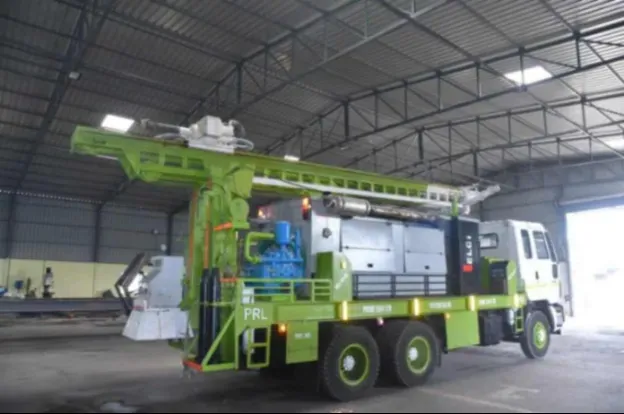
Water well projects involve several investment decisions, and equipment selection is one of the most important. Contractors often compare water well drilling rigs prices before choosing machinery, but the lowest purchase cost does not always represent the best long-term value. Factors such as drilling capacity, mobility, power efficiency, maintenance requirements, and machine condition can significantly influence the overall investment.
Understanding these factors helps contractors select equipment that matches their project requirements while maintaining better control over operating expenses.
Assessing Project Requirements First
Before comparing equipment costs, contractors should understand the actual requirements of the drilling project. Expected well depth, geological conditions, terrain, site accessibility, and drilling frequency all influence the type of rig required.
A machine designed for smaller projects may not provide sufficient capacity for deeper or more demanding applications. Selecting equipment according to actual operating conditions helps prevent unnecessary investment while ensuring adequate performance.
Looking Beyond The Purchase Price
The initial price is only one part of equipment ownership. Fuel consumption, maintenance, replacement components, transportation, and expected service life can all affect the total cost of operating a drilling rig. Buyers should also compare options carefully when reviewing water well drilling rigs prices to understand their long-term financial impact.
A machine with a higher initial price may provide better value if it delivers greater efficiency and requires fewer major repairs. Contractors should therefore consider the complete ownership cost rather than focusing exclusively on the purchase amount.
Comparing Machine Performance
Performance specifications provide useful information when evaluating different drilling systems. Buyers should examine drilling depth, engine capacity, hydraulic performance, operating speed, and equipment configuration.
These specifications should always be considered in relation to the intended application. A machine with excessive capacity may increase costs without providing meaningful benefits, while an undersized system may struggle under demanding conditions.
Considering Mobility And Site Access
Site accessibility can have a major influence on equipment selection. Water well projects frequently take place in rural areas, agricultural locations, or sites with restricted access.
Mobile and compact drilling systems can simplify transportation and reduce setup challenges. Contractors should consider machine dimensions, weight, transportation requirements, and deployment time when assessing equipment suitability.
Greater mobility can also improve equipment utilization when machinery needs to move between multiple projects.
Evaluating Supplier Support
The equipment supplier can have a significant influence on the ownership experience. Experienced drilling machine suppliers can provide technical guidance regarding machine capabilities, maintenance requirements, and suitable applications.
Reliable support can also make it easier to source replacement components and address technical concerns. This assistance becomes particularly valuable when contractors operate equipment in demanding or remote locations.
Maintenance And Long-Term Value
Regular maintenance protects equipment performance and helps reduce unexpected downtime. Buyers should understand service intervals, component availability, and routine maintenance requirements before making an investment.
Well-maintained drilling machinery can remain productive for many years, providing stronger value throughout its service life. Maintenance planning should therefore be considered alongside purchase costs when evaluating different options.
Conclusion
Evaluating drilling equipment requires more than comparing water well drilling rigs prices. Contractors should consider project requirements, machine performance, mobility, maintenance, supplier support, and long-term ownership costs before making a decision.
As businesses continue seeking dependable solutions for groundwater projects, Prime Rigs remains committed to supporting customers with practical drilling equipment designed to deliver reliable performance, operational efficiency, and long-term value.
