
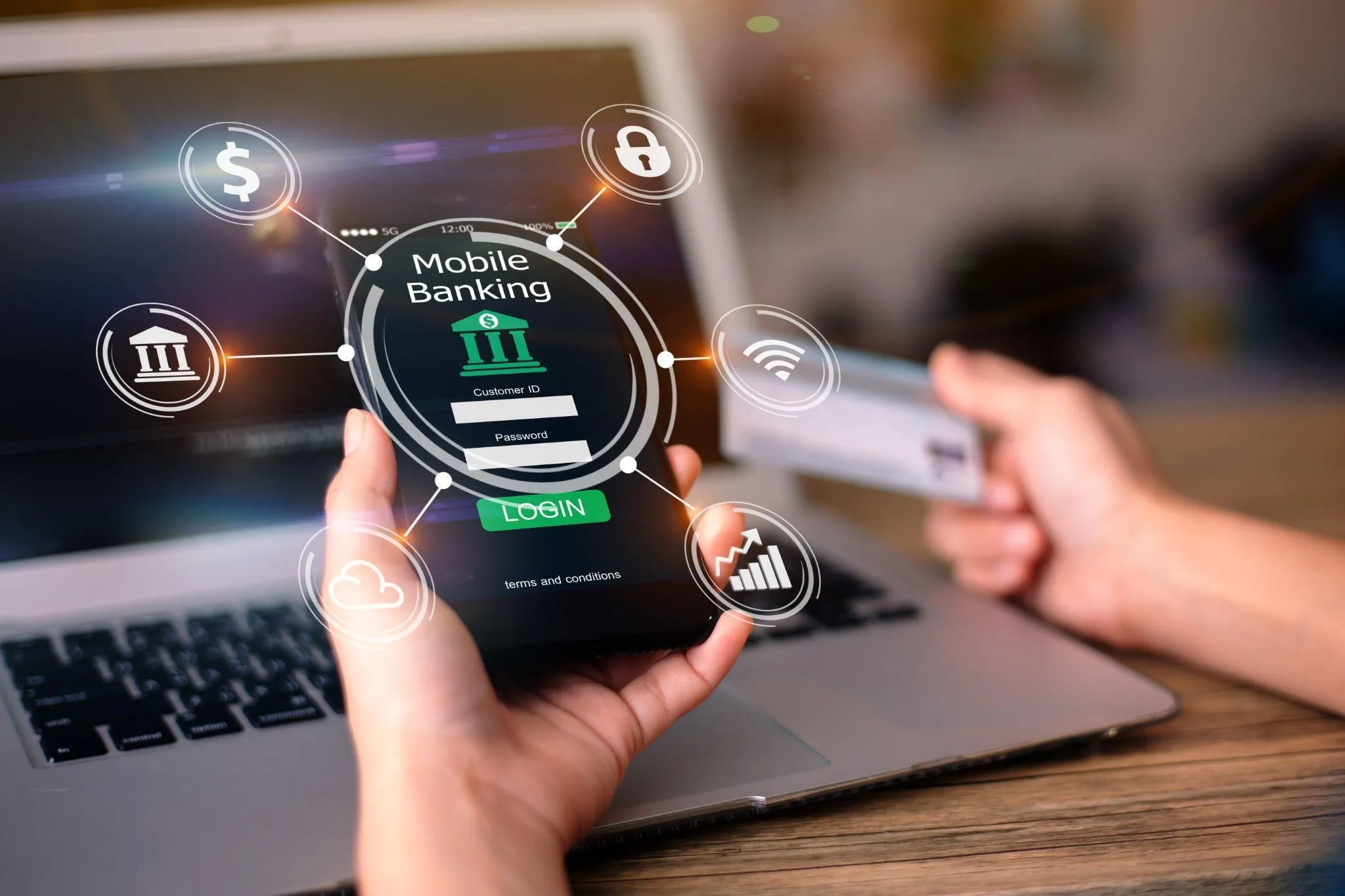
As banking becomes increasingly digital, security has moved from a technical concern to a central business priority. Fintech technology is helping financial institutions build stronger defenses while maintaining convenient services for customers. In the Philippines, the growth of digital banking, mobile payments, cloud platforms, and connected financial services is creating new opportunities as well as new risks. Banks therefore need security strategies that can detect threats quickly, protect identities, secure transactions, and preserve trust across every digital touchpoint.
The Expanding Digital Banking Landscape
The Philippine financial ecosystem is developing rapidly as customers adopt digital channels for payments, account access, transfers, lending, and other services. Digital financial services, mobile banking, cloud banking, smarter banking solutions, and cybersecurity are becoming increasingly important as financial institutions modernize their operations and respond to changing customer expectations.
Greater connectivity also creates a wider attack surface. Criminals can target login credentials, payment systems, applications, APIs, devices, and third-party connections. As financial institutions expand their digital operations, security must become integrated into platforms and processes instead of being treated as an isolated technology function.
Real-Time Fraud Detection
One of the most important security benefits of modern financial technology is the ability to analyze transactions as they happen. Traditional controls may identify suspicious activity after an event, but intelligent monitoring can evaluate transaction behavior and identify unusual patterns earlier.
Banks can use behavioral signals, transaction histories, device information, location indicators, and risk patterns to identify potentially fraudulent activity. Real-time monitoring becomes especially valuable for instant payments, mobile banking, and digital wallets, where fraudulent transactions can happen within seconds.
Effective systems should distinguish between legitimate unusual behavior and genuine threats, helping institutions reduce false alerts while responding quickly to high-risk activity. This approach supports both security and customer convenience.
Stronger Identity and Authentication
Identity protection has become essential as customers increasingly manage financial relationships online. Password theft, phishing, social engineering, SIM-swap attacks, and impersonation can allow criminals to take control of legitimate accounts.
Modern financial solutions can strengthen authentication through biometrics, adaptive authentication, device intelligence, and continuous identity assurance. Instead of depending on one security step, institutions can evaluate multiple signals throughout the customer journey.
AI and Intelligent Security
Artificial intelligence is becoming an important component of modern banking security. AI systems can process large volumes of information, identify patterns, prioritize suspicious events, and support faster responses. This is particularly useful when financial institutions face threats that change quickly.
However, intelligent security requires responsible implementation. Banks need appropriate governance, reliable data, clear accountability, and continuous monitoring of models. Security improvements should therefore be combined with strong controls around privacy, data quality, and regulatory compliance.
Securing Digital Payments
Digital payments have made financial transactions faster and more accessible, but speed also creates security challenges. Instant transfers, QR-based payments, mobile wallets, and connected payment ecosystems can give fraudsters less time to be detected if controls are weak.
Financial institutions can strengthen payment security through transaction monitoring, risk-based authentication, fraud detection, and centralized threat intelligence. Cross-channel visibility is particularly important because criminals may begin an attack through one channel and complete it through another.
A coordinated security architecture allows institutions to connect signals from payments, accounts, devices, identities, and customer interactions. This broader perspective can help security teams identify threats that might remain hidden when systems operate separately.
Cloud and Infrastructure Protection
Cloud adoption is supporting the modernization of banking infrastructure, but migration also requires careful security planning. Banks must protect applications, data, access privileges, interfaces, and workloads across increasingly connected environments.
Strong access controls, encryption, monitoring, secure application design, and continuous risk management can help institutions protect cloud-based services. Resilience is equally important because financial customers expect banking services to remain available even during disruptions or cyber incidents.
Combating Account Takeover
Account takeover is a growing concern for digital banking because attackers can combine stolen credentials with social engineering, phishing, impersonation, and compromised devices. Once access is obtained, criminals may change account details, initiate transfers, or exploit trusted customer relationships.
Banks can respond by combining identity verification, behavioral analytics, device intelligence, adaptive authentication, and transaction monitoring. Continuous assessment is valuable because risk can change after login. A trusted session at one moment may become suspicious after an unusual device change or transaction pattern.
This layered defense can help institutions protect customers without making legitimate digital banking unnecessarily complicated.
Data Protection and Compliance
Security also depends on how financial data is collected, stored, shared, and accessed. Banks need permissions, access controls, monitoring, and governance practices that reduce exposure. Compliance frameworks can provide structure for managing cyber risk while supporting innovation. When security policies are aligned with objectives, institutions can improve accountability across teams, executives, partners, and providers. This becomes important as open finance, APIs, cloud services, and third-party platforms connect more participants across banking.
Collaboration Across the Financial Ecosystem
Banking security cannot depend on individual institutions working alone. Banks, fintech companies, technology providers, regulators, and government bodies face interconnected risks. Sharing knowledge about emerging threats, security practices, fraud patterns, and regulatory expectations can strengthen collective resilience.
Collaboration across the financial sector can create stronger defenses by connecting financial institutions, technology providers, policymakers, and industry leaders through conferences, exhibitions, networking opportunities, and expert discussions. Key areas such as cybersecurity, digital financial services, smarter banking, mobile banking, and cloud banking can help industry professionals understand evolving risks and explore practical approaches to building more secure and resilient financial systems.
Conclusion
Banking security is evolving alongside digital transformation. Fintech technology enables financial institutions to detect fraud, protect identities, secure payments, strengthen infrastructure, and respond to emerging threats. As Philippine banking adopts mobile, cloud, AI, and connected financial services, security must remain central to innovation. A proactive, collaborative approach helps banks safeguard customers while building a resilient, trusted, and secure digital financial ecosystem today.
As a leading platform for financial innovation, collaboration, technology, and transformation, the World Financial Innovation Series (WFIS) – Philippines connects banking, insurance, microfinance, technology providers, regulators, and industry leaders through conferences, exhibitions, networking, and awards. It explores cybersecurity, digital banking, AI, cloud banking, payments, financial inclusion, and emerging technologies while enabling knowledge sharing, solution showcasing, partnerships, and meaningful conversations shaping future-ready strategies across the Philippines’ financial ecosystem.
